Master Engineering Solution / Industries & Applications
Machine Solutions for Automotive & Industrial Components
Master Engineering Solution’s project portfolio covers component-specific machining applications. Machines are developed around milling, drilling, tapping, boring, turning, grinding and U-drilling for housings, cases, axle components, crankshafts, yokes and other engineered parts.
Discuss Your Requirement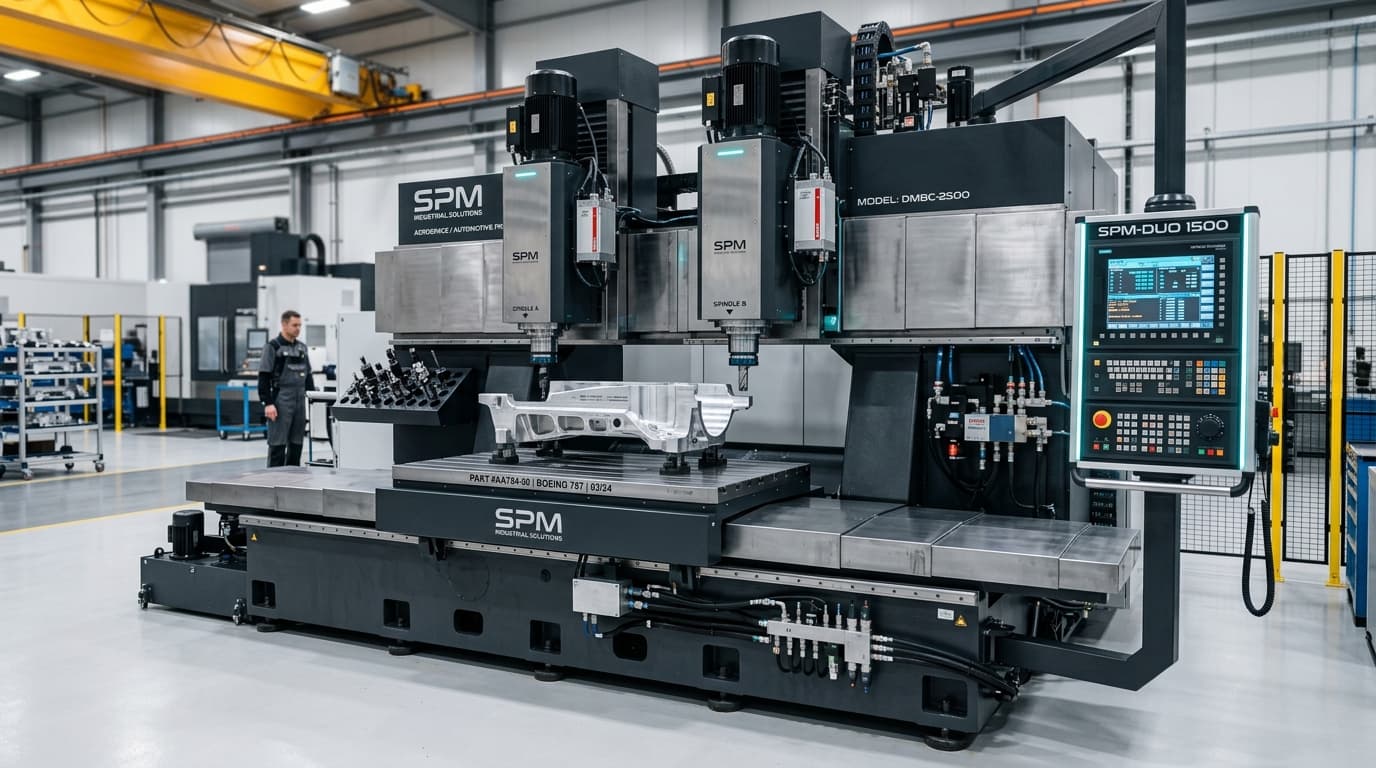
Automotive Component Applications
Documented applications include engine cylinder blocks, cylinder heads, crankcases, crankshafts, clutch housings, transmission cases, flywheel housings, differential cases and gearbox housings. Other parts include rear axle carriers, front axle supports, hydraulic lift housings, rock shaft housings, yokes, trailing arms and front wheel hubs.
Machine-to-Component Reference
| Machine / Process | Documented Components |
|---|---|
| HMC Single Spindle | Housing Rear; Crankcase |
| HMC Twin Spindle | G150 Gear Box Housing |
| Duplex Milling Machine | Rock Shaft Housing; Hydraulic Lift Housing; Clutch Housing; Cylinder Head; Rear Axle Carrier; Front Axle Support; Bearing Cap; Crank Case |
| CNC Finish Spherical Turning | Differential Case |
| CNC Lathe Turning & Facing | Rear Axle Carrier |
| Dressing Spindle Unit | Valve Body |
| Fine Boring Machine | Water Pump Bearing Casing; Hydraulic Lift Housing; Crankshaft; Yoke |
| Rough/Fine Boring & Holemill | Differential Case |
| Vertical Finish Boring | Cylinder Block |
| Gang/Web Milling | Cylinder Block; Front Axle Support; Trailing Arm; Front Wheel Hub |
| 2-Way Grooving | Slip Yoke; Flange Yoke |
| Multi Drilling / Tapping | Clutch Housing; Rear Axle Carrier; Transmission Case; Hydraulic Lift Housing; Flywheel Housing |
| O.D. & Face Grinding | Crankshaft |
| U-Drilling | Bar Pin; Extension Sleeve; Front Axle Support; Flange Yoke; Chain Sprocket; Differential Case |
| VTL | Clutch Housing; Flywheel Housing |
How We Approach an Application
- Understand the component drawing, material and critical machining areas.
- Define the required operations and sequence.
- Review holding, accessibility and spindle/tool orientation.
- Select hydraulic, CNC servo, multi-spindle or other mechanisms.
- Finalize the machine concept and specification with the customer.